Rural Property Drainage Tips For Landlords
Owning a rental property in a rural area, particularly near a river, comes with unique challenges—especially when it comes to drainage. Older properties and shifting ground conditions can make drain maintenance tricky. However, regular checks can help prevent emergency callouts. Here’s what you can do to keep your drainage system in good shape.
1. Conduct Regular Visual Inspections
Check the drains around your property for visible cracks, damp patches, or water stains—especially in basements, kitchens, and bathrooms. Homes near rivers may experience ground shifts that can lead to drainage issues. Catching early signs of moisture buildup can help prevent bigger problems.2. Monitor Water Flow and Drainage Speed
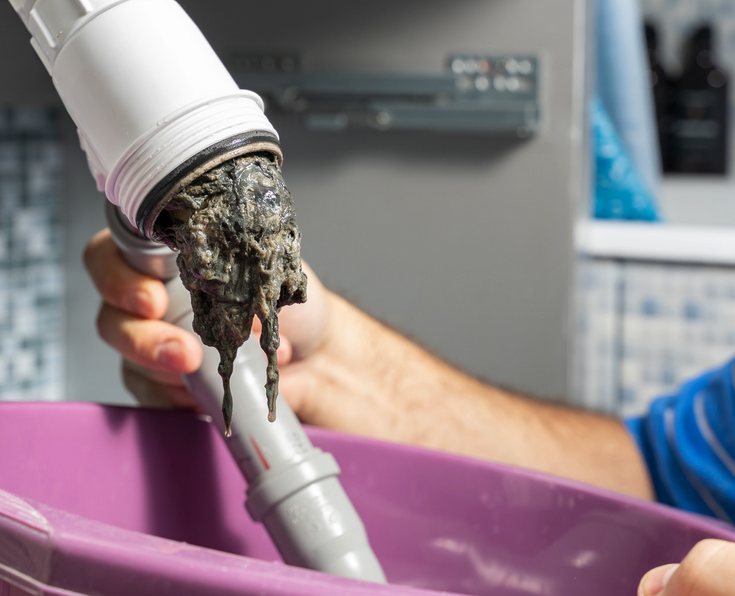
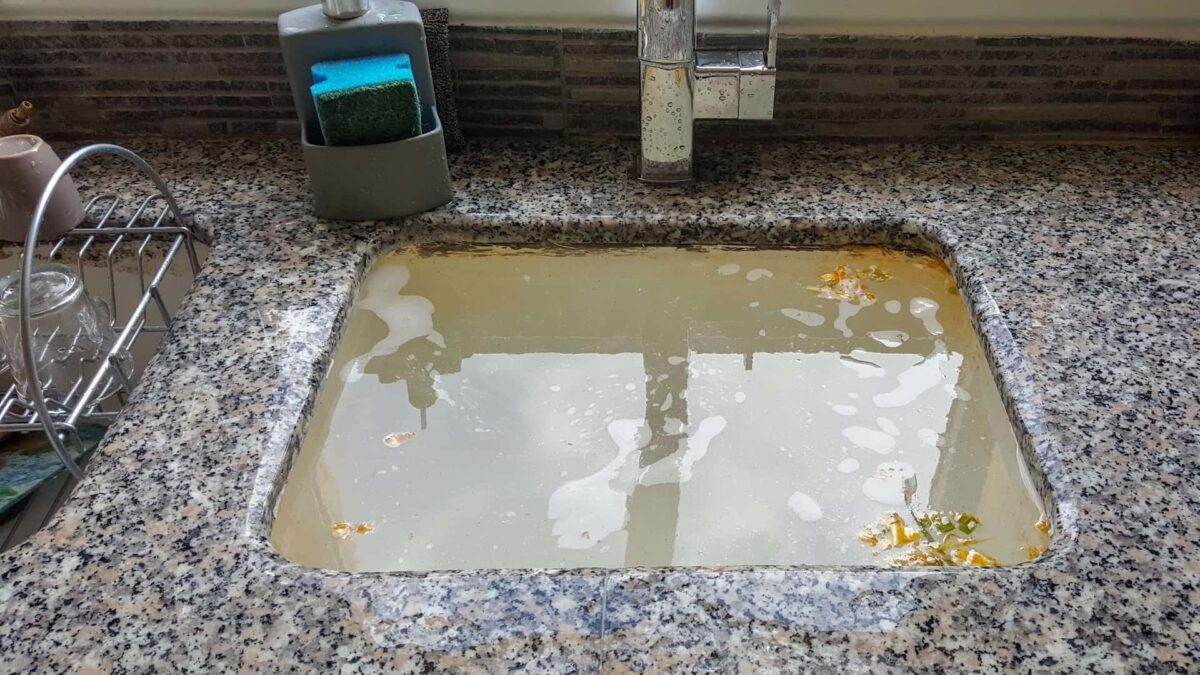
If sinks, bathtubs, or showers drain slowly, or if toilets back up, you may have a developing blockage. Changes in water tables due to river proximity can also affect drainage. Slow drains are often a warning sign of a larger issue—acting early can save you from major repairs.
3. Pay Attention to Unpleasant Odors
Foul smells from kitchen, bathroom, or outdoor drains often indicate a blockage. Older homes in rural areas tend to have more complex drainage systems, making it easier for organic material to build up. Addressing odors early can prevent more significant problems.4. Inspect Pipes for Cracks or Leaks
Older pipes, particularly in properties near water sources, are more vulnerable to wear and corrosion. Check for rust, leaks, or cracks, as early detection can prevent costly damage such as collapsed drains or flooding.5. Watch for Tree Root Intrusion
Mature trees in rural gardens can cause major drainage issues if roots infiltrate pipes. Keep an eye out for signs of root intrusion near drains, especially in older properties. If left unchecked, roots can cause blockages or structural damage to pipes.6. Maintain Gutters and Downspouts
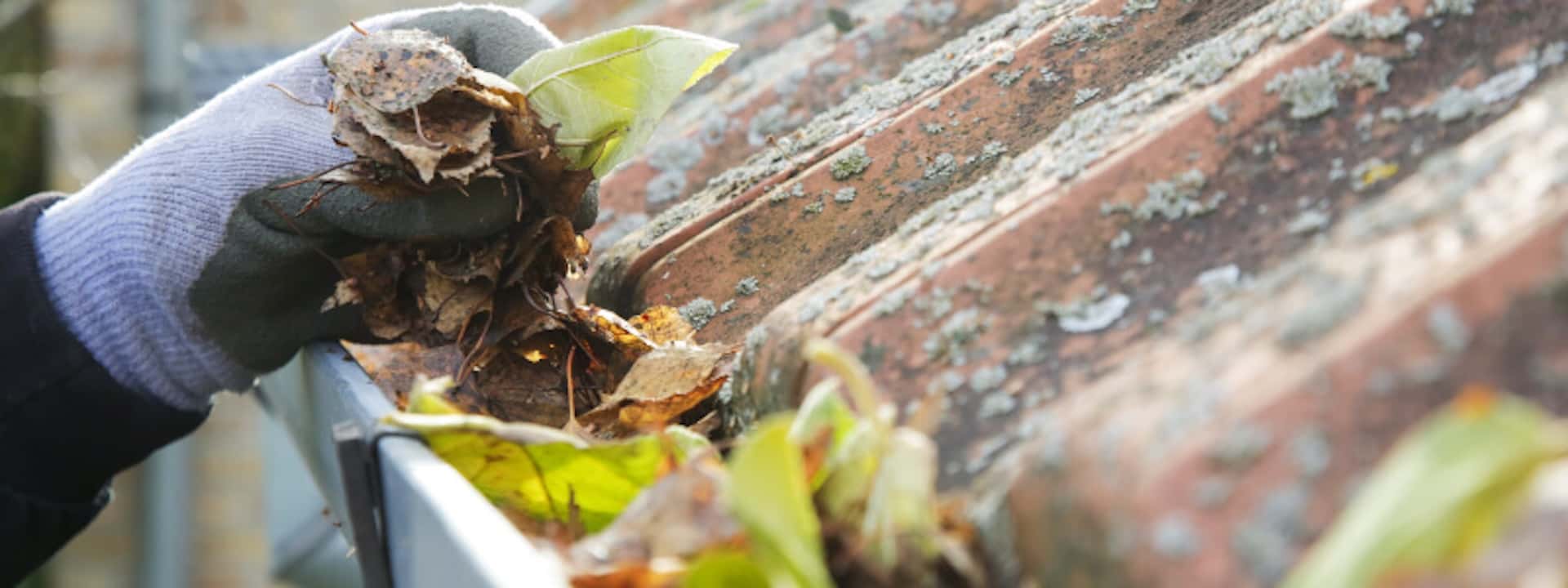
Blocked gutters can overwhelm your drainage system, leading to standing water and potential flooding. Regularly clear out leaves, twigs, and debris—especially in autumn—to keep water flowing properly.