
Hair and Soap Scum: Why Your Drains Are Slowing Down
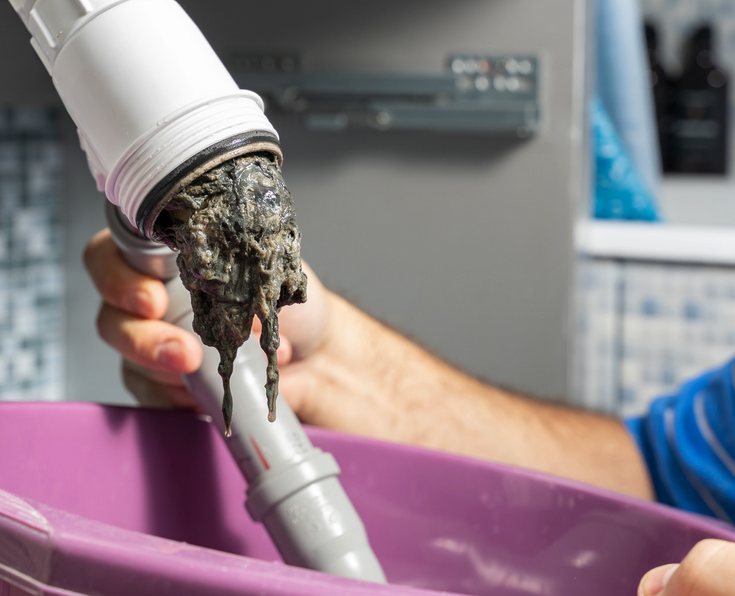
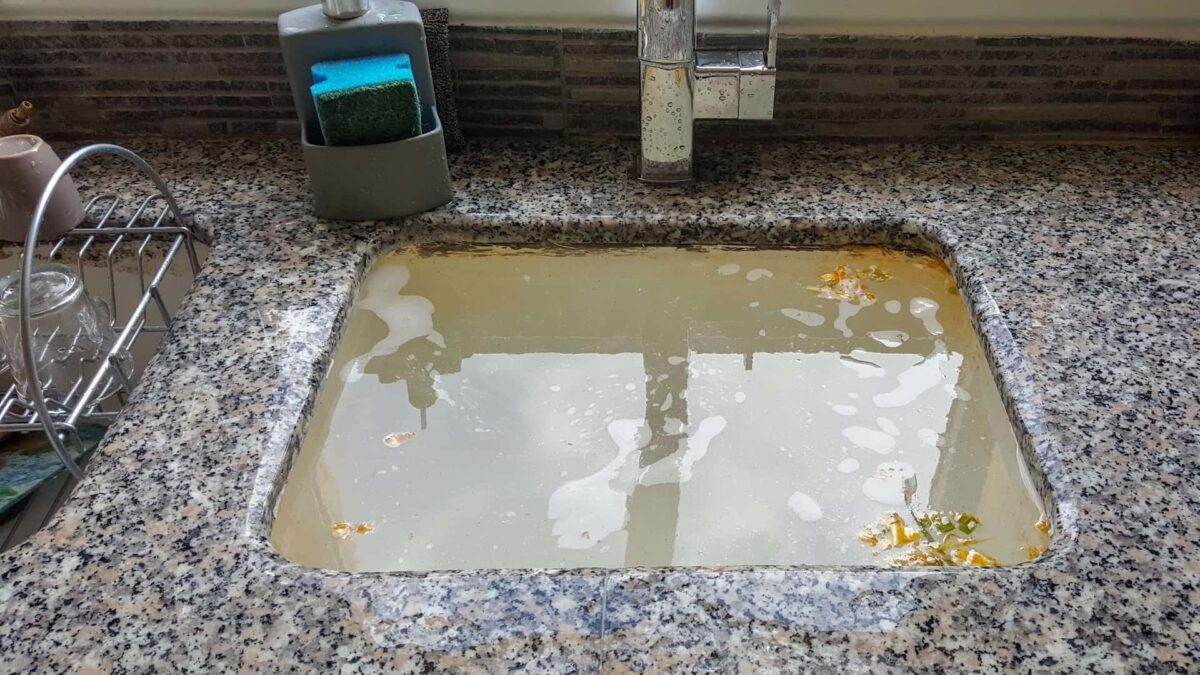
Ever noticed your sink or shower draining more slowly than usual? The culprit is often a sticky mix of hair and soap scum. Over time, this builds up inside your pipes, leading to blockages that can cause unpleasant smells and standing water. The good news? A little maintenance can go a long way in keeping your drains clear.
Why Do Hair and Soap Scum Cause Blockages?
Understanding the chemistry and physics at play is crucial. Hair, composed of keratin proteins, has a rough, scaly surface. These scales interlock, creating a net-like structure that traps debris. When mixed with soap scum—a byproduct of fatty acids in soap reacting with minerals like calcium and magnesium in hard water—the result is a sticky, dense matrix. This matrix adheres to the pipe walls, gradually narrowing the passage for water flow.- The Hair: Each strand acts like a tiny anchor, catching more hair and other particles. The rough texture increases surface area, amplifying the ability to trap debris.
- The Soap Scum: The chemical reaction producing soap scum, known as saponification, creates a residue that’s not easily dissolved by water alone. This residue acts as a glue, binding hair and other particles together.
- The Pipe: Over time, this buildup creates a rough, irregular surface within the pipe, further exacerbating the problem by providing more points for debris to latch onto.
How to Prevent Hair and Soap Scum Build-Up
- Use a Drain Cover: A simple mesh drain cover catches hair before it enters your pipes. Empty it regularly to keep water flowing smoothly.
- Flush with Hot Water Weekly: Pouring a kettle of hot water down your drain once a week helps dissolve soap residue before it becomes a problem.
- Try Baking Soda and Vinegar: A natural alternative to harsh chemicals, this combination helps break down minor clogs and keeps your pipes fresh. Simply pour half a cup of baking soda down the drain, followed by a cup of vinegar. Let it fizz for 10–15 minutes before flushing with hot water.
- Clean Your Plugholes Regularly: Remove trapped hair and soap scum from your plughole every few days. A simple plastic drain snake or an old toothbrush can do the job effectively.
- Avoid Excessive Soap Use: Using too much soap—especially bar soap—can lead to faster build-up. Consider switching to liquid soap, which leaves less residue behind.

Beyond the Basics: Advanced Prevention Techniques
While basic maintenance like drain covers and hot water flushes are effective, a more comprehensive approach can significantly extend the lifespan of your plumbing.- Enzyme-Based Cleaners: Unlike chemical drain cleaners that can damage pipes, enzyme-based cleaners use natural enzymes to break down organic matter, including hair and soap scum. These are gentler and more environmentally friendly.
- Regular Pipe Inspections: Periodically checking the accessible sections of your drain pipes can reveal early signs of buildup. Using a flexible camera or CCTV survey can provide a visual inspection.
- Water Softeners: If you have hard water, consider installing a water softener. This reduces the mineral content in your water, minimizing soap scum formation.
- Strategic Hair Management:
- Brush hair before showering to minimize shedding.
- Consider using hair catchers designed for specific drain types, such as those with finer mesh for delicate hair.
- For long hair, periodically trim ends over a trash can, not the sink.
- Optimized Soap Choices:
- Opt for liquid soaps or body washes that are formulated to minimize residue.
- Look for soaps that are labeled “soap-free” or “syndet” (synthetic detergent), which produce less scum.
When DIY Isn’t Enough: Escalating to Professional Solutions
While home remedies can address minor clogs, persistent or severe blockages require professional intervention.- Hydro-Jetting: Also known as drain jetting, this technique uses high-pressure water streams to blast away stubborn clogs and buildup. It’s more effective than traditional snaking and can clear pipes more thoroughly.
- Video Inspection: Plumbers use specialised CCTV cameras to inspect the inside of pipes, pinpoint the exact location and cause of the blockage, and determine the best course of action.
- Pipe Descaling: For pipes with heavy mineral deposits, descaling can remove the buildup and restore proper flow. This often uses specialized chemicals or mechanical tools.
- Preventative Plumbing Maintenance: Regular inspections and maintenance by a qualified plumber can identify potential problems before they escalate into costly repairs.
The Long-Term Impact: Protecting Your Plumbing Investment
Ignoring slow drains can lead to significant plumbing issues, including:- Pipe Corrosion: Chemical drain cleaners, if used excessively, can corrode pipes, leading to leaks and costly repairs.
- Backups and Flooding: Severe clogs can cause water to back up into your home, resulting in water damage and mold growth.
- Reduced Pipe Lifespan: Consistent buildup and harsh cleaning methods can shorten the lifespan of your plumbing system.