
Fix Waterlogged Rugby Pitches for Good
Don’t Let Rain Stop Play
A waterlogged rugby pitch is a nightmare for teams and groundskeepers. Cancelled matches, unsafe playing conditions, and costly repairs can all result from poor drainage. But don’t worry—there are effective solutions to get your pitch back in action. From quick fixes to long-term drainage strategies, here’s how you can prevent waterlogging and keep your pitch in top shape.
Quick Fixes: How to Get a Waterlogged Pitch Playable Again
Assess the Severity of Waterlogging
Before taking action, check how bad the waterlogging is. If the surface is just damp, play may still be possible. However, standing water or a spongy pitch means you need to act fast.
Use a Soil Aeration Machine for Immediate Relief
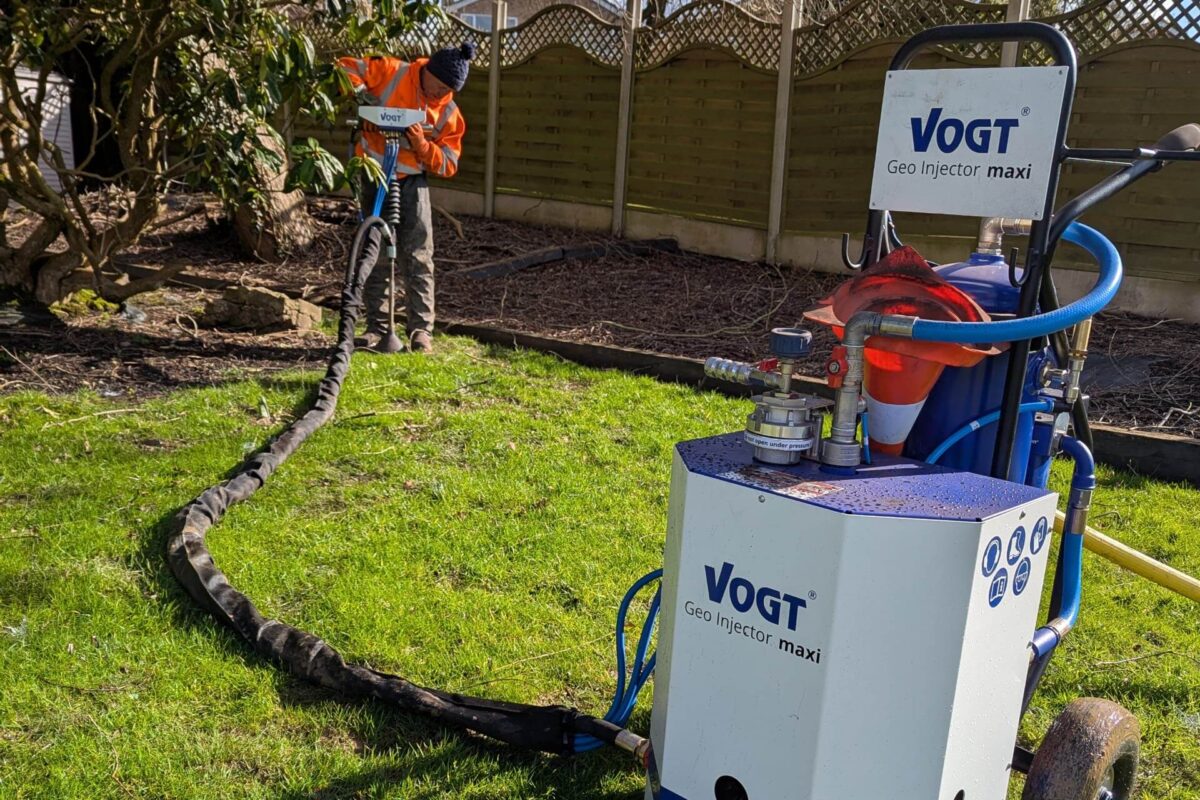
A soil aeration machine is one of the best tools to restore drainage quickly. By creating small holes in the pitch, it allows water to drain more effectively and reduces surface water retention.
How a Soil Aeration Machine Works
A soil aeration machine injects high-pressure air into compacted soil, creating fractures and air pockets. This relieves compaction, improves drainage, and allows roots to grow deeper. When combined with carbon biochar, it enhances soil health, stabilizes structure, and improves moisture balance—preventing future waterlogging.

Other Temporary Drainage Techniques
If you need a quick fix before a match, try these methods:- Apply sand to soak up surface water.
- Use slit drains to channel excess water away.
- Spike the surface to encourage water movement.
- Drag mats to redistribute moisture evenly.
Long-Term Solutions: How to Prevent Waterlogging
Regular Aeration and Soil Maintenance
Using professional soil aeration regularly prevents compaction and improves water infiltration. Scheduling aeration at key times—especially before the rainy season—keeps your pitch in top condition.
Install a Proper Drainage System
For lasting results, consider installing a professional drainage system. Options include:- Primary Drainage: Underground pipes to remove excess water.
- Secondary Drainage: Sand-based topdressing to improve surface permeability.
- Soil Amendment: Mixing sand and organic material into the soil to improve structure.