
5 Most Common Winter Plumbing Problems
As the nights draw darker and colder days approach, it is time to prepare our homes for the harsher elements and prevent the suffrage of midwinter plumbing problems. Plumbing and drains are more likely to encounter issues during the winter months, due to the higher usage and the colder environment. It is a time of year when nobody wants to be outside dealing with blocked drains or frozen pipes.
Blocked Drains
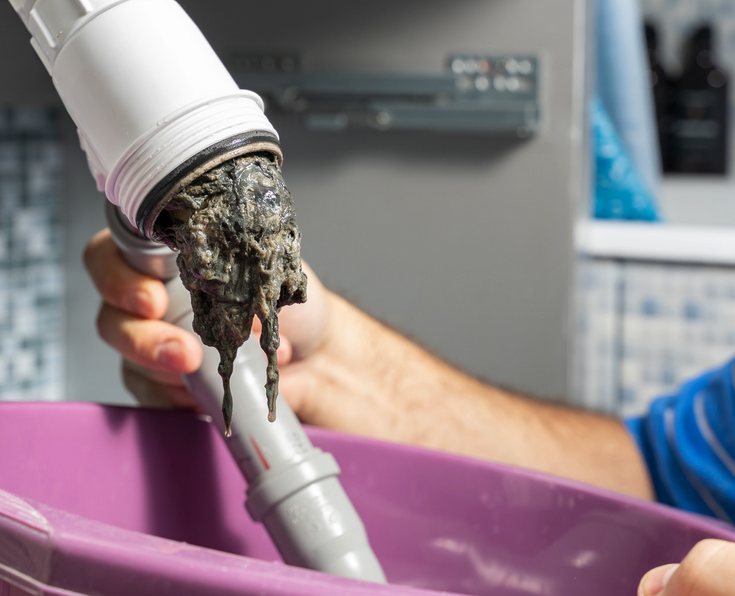
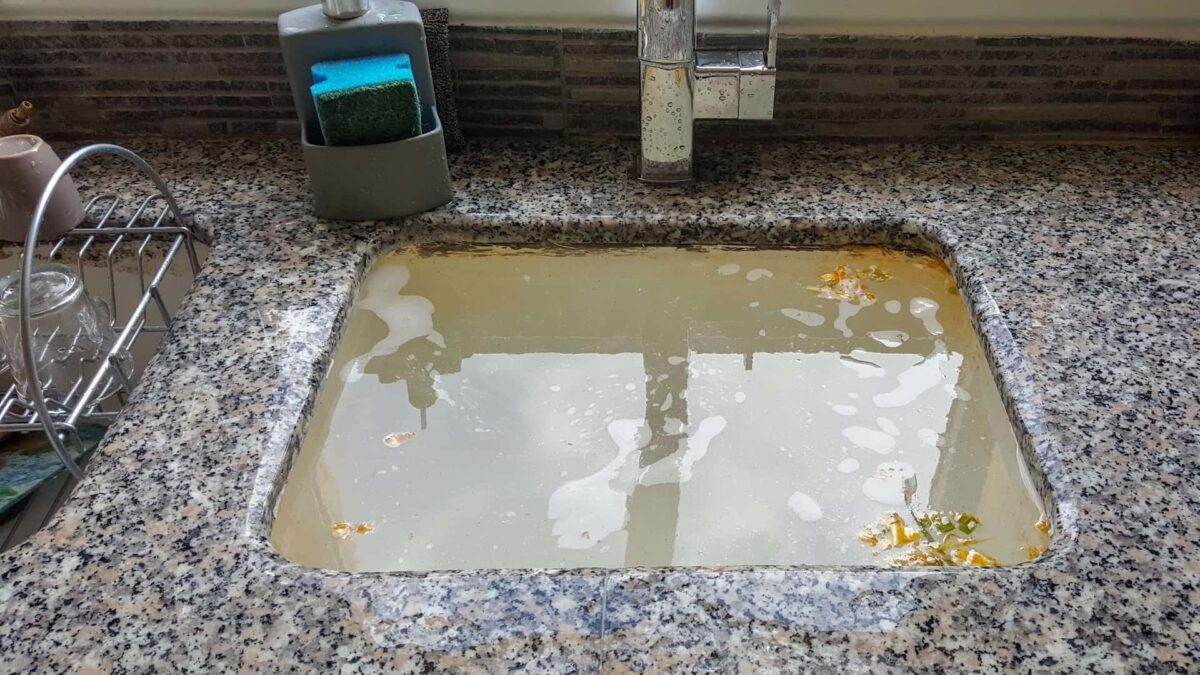
In late autumn and early winter, trees shed their leaves. These leaves tend to congregate around guttering and drains, and the cold, wet weather makes them mesh into larger globules. Also, around this time of year, it is common for more cooking to take place as people leave their houses less, resulting in more waste byproducts like oil and fats being produced. These often get poured down the sink, and with the outside temperature being so low, quickly cool and harden. With this build-up of leaves and grease coming together in the cold drainage system, you might find yourself having to contend with a blocked drain. To prevent this common plumbing problem from happening to you, it is important to have your drains checked to ensure they are winter-ready, and should the worst happen, they can be fixed. Give Cotswold Drainage a call on 01386 882324 or email us at office@cotswolddrainage.co.uk to ensure you have a smooth winter.Frozen Drainpipes
When drainpipes freeze, they can block the flow of wastewater, and if the frozen pipe isn’t repaired quickly, this can cause the pipes to expand and burst which could cause further damage to your property. Drainpipes in unheated areas, such as cellars or external walls, are more vulnerable, and should a blockage occur, water will pool, and standing water will freeze rapidly – a plumbing problem nobody wants to be dealing with in the middle of a winter’s night. So here are a few handy tips to help keep your water flowing.- Insulate your pipes with foam tubing where possible, and for pipes in cupboards, open the doors for periods to allow the warm room air to circulate in.
- Seal gaps and cracks that may appear along the pipe, using caulk or spray foam to prevent cold air from penetrating the pipe.
- Keep the heat on at a minimum of 13°C when you go away to ensure the interior of the home stays above freezing.